Indian Music
Many Indians believed that music came to them in their dreams, and it was acted out upon awakening when performed in song.
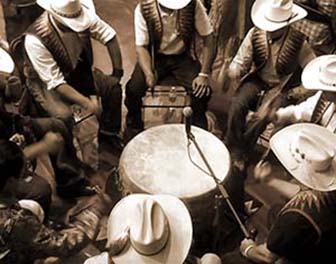
Music has always played a hugely important part in Native American culture. The use of song and dance has been ingrained in their culture for centuries. Many Indians believed that music came to them in their dreams, and it was acted out upon awakening when performed in song. There were various instruments used in Indian music, including various drums, rattlers, whistles, horns, and reed instruments.
The flute is also an extremely integral instrument in Indian music. While all of these instruments played a vital role in the use of music, nothing was more important or significant as the human voice. Vocals are truly the backbone of Indian music. While to the novice ear it may sound out of tune with no harmony or melody, the expression was made clear though inflection and tension in the vocal chords. Generally, music in this culture was not solely utilized for entertainment, but rather for the summoning of spirits and for speaking to the dead.
Music was also used for storytelling, praying, and for announcing warfare. Different tribes used different methods of communication music, including throat singing, which was a way to perform vocals through tightening and loosening the muscles in the throat, producing a wailing sound. This type of singing is particularly popular among the Inuit tribes. Indian music is often accompanied by various forms of dance.
Typically, a ceremony involving music will take place around a large fire or sacrifice placed in the middle of a circle. Around the circle are people playing drums, and alongside them are those projecting the vocals. This gathering is usually called a powwow. Even today music plays a very important role in Indian culture. Whether it is a celebratory gathering, funeral procession, or expression of heritage, music is just one part of the tapestry that is Native American heritage.
Related Stories:
Indian Music Articles Home PageThe following lists catalog the specific articles, stories, legends and research materials of this website.
American Indian Topics | American Indian Products | American Indian Tribes
Native American Topics | Indigenous Peoples’ Literature
