Indian Fashion
The importance of indian fashion during ceremonies and rituals.
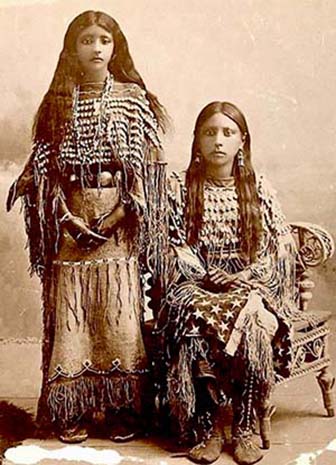
Indian fashion was a very important part of Indian culture. Many wore different Indian fashion depending on what they were doing. During ceremonies and rituals, the Indians usually wore their best, more elaborate Indian fashion. But, everyday attire was not nearly as fancy.
The Muscogee, a southeastern tribe, wore very little clothing prior to coming in contact with Europeans. However, after the Europeans came, the Muscogee developed their own Indian fashion. The men wore deerskin breechcloths. The women of the Muscogee tribe wore shirts and skirts. Through the European traders, the Muscogee learned of wool and cotton and eventually began using those materials for clothing.
The Iroquois saw the European clothing and adopted it to create their own Indian fashion. The men often had rings in their noses, feathers in their hair, a cape, leggings, and moccasins.
The Tlingit tribe, native to Alaska, also had piercings. The men and women both had ear, nose and sometimes lip piercings. For ceremonies, their Indian fashion included carved masks and they wore colorful robes trimmed in fur. They also wore hats made of roots.
The Lakota tribe lived primarily in North and South Dakota. They were known for clothing that had stunning beadwork and designs. Their clothing, made from animal skins, was designed to honor the spirit world. In good weather, the women wore dresses and the men wore shirts and breechcloths. During the winter, they wore robes made of buffalo skin.
The Cherokee men often wore a short gown, called a hunting shirt, gathered by a beaded belt. Sometimes they would wear pantaloons, but the older men preferred deer skin leggings. Both men and women of the Cherokee tribe wore moccasins and often wore a blanket as a cloak.
Apache women usually wore a white dress made of buckskin while the men wore a loincloth. During ceremonies however, they would attach very colorful ribbons and tails to their buckskin clothing.
Related Stories:
Indian Fashion Articles Home PageThe following lists catalog the specific articles, stories, legends and research materials of this website.
American Indian Topics | American Indian Products | American Indian Tribes
Native American Topics | Indigenous Peoples’ Literature
