Indian Artifacts
Ancient Indian artifacts of the past and the story they tell.
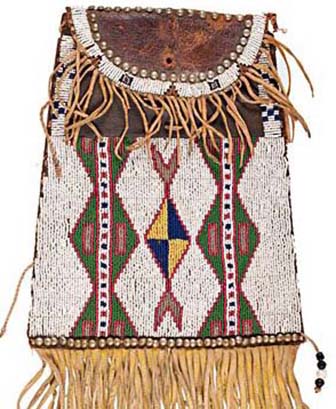
The reason why we know so much about Native American Indians is because of two things: storytelling and record of events passed from generation to generation and the discovery of Indian artifacts. The study of archeology is largely dependent on the discovery and study of artifacts. These artifacts could be anything that was made by man.
When it comes to Indian artifacts, there have been a number of items throughout the years that have been collected from old burial sites or village sites like arrow heads made from stone, pottery and even clothing and tools. Axes and spear points are other items that would qualify at Indian artifacts.
Artifacts are so important to our society today because the study of them allows us to understand how our ancestors lived. What kind of clothes did they wear? What food did they eat? What were their religious beliefs?
So many questions have been answered thanks to the discovery of Indian artifacts. For instance, Indian artifacts found in graves tell us to an extent how Indians years ago treated their dead. To a degree, you could learn about religious practices as well.
Excavating an entire Indian village itself would be a coup, but it is the Indian artifacts you find inside that will tell you about the crops they raised. Pictographs on the walls of cave dwellings have shown us a depiction of Indian life. You could learn such things as their social classes, how they hunt and even their family life. Shards of pottery could tell us about their craftsmanship.
Indian artifacts are like a piece of a jigsaw puzzle and provide us a window into our past. By putting those puzzle pieces together; you would have a better overall picture of how life might have been for the Native American Indians.
Related Stories:
Indian Artifacts Feathers Indian Feathers Indian Headdress Native American Headdress Articles Home PageThe following lists catalog the specific articles, stories, legends and research materials of this website.
American Indian Topics | American Indian Products | American Indian Tribes
Native American Topics | Indigenous Peoples’ Literature
