Hopi Indians
The Hopi Indians were considered a sub tribe of the Pueblo Indians from Arizona.
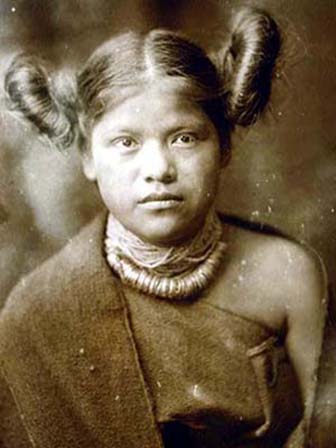
The Hopi Indians were considered a sub tribe of the Pueblo Indians, hailing from Arizona, but they spoke a different language. The word Hopi means peaceful ones, or hopeful. Hopi Indians lived in pueblos, which are homes made of mud and stones (dried clay). Corn was the most common food grown and eaten on the land, with over 24 different varieties, although yellow and blue were the most popular. Squash, beans, pumpkins, and other various fruits were also grown and eaten.
The women of the Hopi tribe were designated to take care of the home, look after the children, and cook. The men of the tribe were the hunters, weavers, and performers of various ceremonies. A tradition for Hopi children was to wait twenty days after they were born, then the parents would hold the child facing the sun on the 20th day. Once the sun hits the child, he or she was then given a name.
Artwork and pottery were very important parts of Hopi life. Intricately woven rugs were often made, and pottery was especially important. The pottery was made of wet clay and then buried under the sand until it dried. Each piece told a story and was used for everything from bathing to cooking. The environment in which the Hopi Indians lived was very warm and dry.
They wore very little clothing and adorned themselves with feathers and wildflowers. The evenings could get cool and they would keep warm by using their blankets and gathering around a fire. The Hopi performed a ritualistic snake dance that is said to bring good luck and prosper to the tribe. They also perform many other dances and rituals. Today, many groups are working hard to preserve their way of life and the pueblos that still stand throughout the state of Arizona.
Related Stories:
Hopi Indians Articles Home PageThe following lists catalog the specific articles, stories, legends and research materials of this website.
American Indian Topics | American Indian Products | American Indian Tribes
Native American Topics | Indigenous Peoples’ Literature
