Grizzly Bear
Understand the cultural meaning behind the grizzly bear as seen by Native Americans.
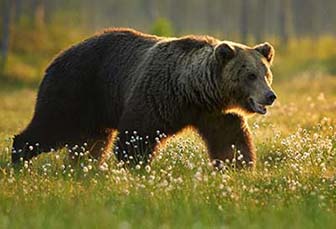
Native American Indians regarded the grizzly bear with awe and respect. Early hunting tribes noticed that these bears had very complex behaviors. Many native tribes thought of the bear as a "god". American Indians saw that these grizzlies were large and very strong animals that could move quickly in spite of their size. It's no wonder that these magnificent animals would become the center of Indian legends. Often found in Indian paintings and engraved in jewelry, the grizzly was a sign of strength.
The grizzly bear stood for many meanings and rituals among the American Indians. The Indian Bear Dance was considered the Ghost Dance, bringing back the ghosts of their ancestors while helping the grizzly bear fall asleep for its winter hibernation. Ancestors join in the dance in their spirit form while the bears are lulled to sleep. After the dance is complete, another Dance is celebrated, called the Circle of Life Dance. This dance will be held around a burning log fire until the fire burns out. The Native Indians will dance, sing and chant for warmth and light from the sun during the time the grizzly sleeps.
Many Indians feared the grizzly bear but still they hunted the large bears for food, clothing, and even jewelry. Claws were made into necklaces and often worn hanging from their waistband. Because of the Indians' beliefs that the bear had some spiritual power, wearing a bear claw necklace would mean protection and good health to the Indian wearing it.
Today Indians still wear necklaces of grizzly bear claws but only a few are preserved from the 1800s in museums. One famous bear claw necklace can be viewed at the Peabody Museum at Harvard. Since bear claws were objects that Indians treasured, very few were obtained outside of the Indian tribes.
Related Stories:
Grizzly Bear Articles Home PageThe following lists catalog the specific articles, stories, legends and research materials of this website.
American Indian Topics | American Indian Products | American Indian Tribes
Native American Topics | Indigenous Peoples’ Literature
