Fur Traders
Indian fur traders had beaver,mink, otter pelts to trade with the early french traders.
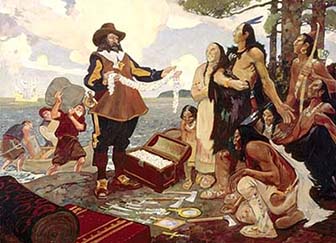
Fur trading is one of the earliest known industries in North America allowing for fur traders to be the earliest of entrepreneurs. In the 1500s when French explorers arrived in the area that is now eastern Canada, fur trading became a large business. The earliest fur traders were at the time mostly French and would export fur to Europe to be used in textile manufacturing.
The early French fur traders would trade items such as weapons and tools with the Indians for fur, mostly acquiring furs from the Huron and Ottawa tribes. Fur trading began to spread amongst other Indian tribes due to the growing demand for furs and exchange of goods. In the early 1600s, fur trading boomed into a prosperous livelihood. French explorer Samuel de Champlain established a trading post near present-day Quebec that became the center of industry for fur traders. In 1670 the Hudson Bay Company established itself as the largest fur company with the help of two French fur traders.
Fur traders amongst the Indians were equally prevalent and the pelt of beaver, mink, and otter became a valuable commodity. Even Indians who were not hunters or trappers would trade other goods for fur because of its value. Beaver fur was at its peak value for fur traders during the late 1600s and early 1700s as European men clambered for felt hats made from beaver pelt. It wasn’t until the 1800s that fur trading began to wane and many fur traders had to find other ways to earn a living.
Though not nearly as common as what it once was, fur trading still exists as a trade, especially in Canada. Visitors to modern day reservations can purchase items made with real fur from various creatures that are still legal to hunt or trap, such as fox. The hide from deer is also used to craft many different items also sold as souvenirs.
Related Stories:
Fur Traders Articles Home PageThe following lists catalog the specific articles, stories, legends and research materials of this website.
American Indian Topics | American Indian Products | American Indian Tribes
Native American Topics | Indigenous Peoples’ Literature
