Creek Indians
The Creek Indians banded together to protect themselves from other bands of Indians.
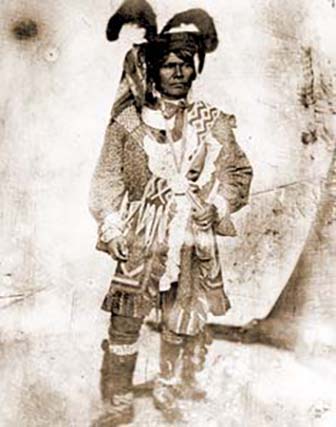
Before the 18th century rolled around, the Creek Indians occupied quite a bit of the southeast United States, what we know now as Georgia and Alabama. They were part of a union that comprised a few other tribes that also lived in the area. It was believed that this Creek union was formed to protect itself from larger, marauding bands of Indians.
When colonists from Europe started flocking to this new world called America, they named the Creek Indians based on the Ocheese Creek (also known as the Ocmulgee River). It was the colonists’ habit to call the various Indian tribes names based on where the Indians lived at the time. Soon, there were too many colonists for the Creek Indians’ taste so the Indians moved to the west and spread out from what is now Alabama to the Oklahoma areas.
The Creek Indians were not nomadic; rather, they put down roots by establishing towns. Each town that the Creek Indians founded was fairly self-sufficient, having their own tribal councils and land ownership. When a Creek Indian tribal town grew to a certain number, the town split in half and one half traveled not that far away and established a new town. They maintained a relationship with their hometown.
Thatched huts were the main structures that sheltered the Creek Indians. Within each tribal town, the Creek Indians built ceremonial shrines which served kind of as the town center. All of the huts were situated around this town center. As the colonists’ influence took hold, the Creek Indians started building solid homes made from wood. Some of these homes were surrounded by various crops like corn and wheat.
The Creek Indians, for the most part, tried to keep the peace with the white man. But unfortunately, that peace was not meant to be. More and more settlers from Europe arrived in America and encroached on Creek Indian territories. Eventually, war broke out and the Creek Nation divided, some fighting against the white man and other formed allies with them. A peace treaty between the Creek Indians and the United States was eventually signed, months after the War of 1812.
Related Stories:
Creek Indians Articles Home PageThe following lists catalog the specific articles, stories, legends and research materials of this website.
American Indian Topics | American Indian Products | American Indian Tribes
Native American Topics | Indigenous Peoples’ Literature
