Chippewa Indians
Information about the Chippewa Indians such as history, language, and culture.
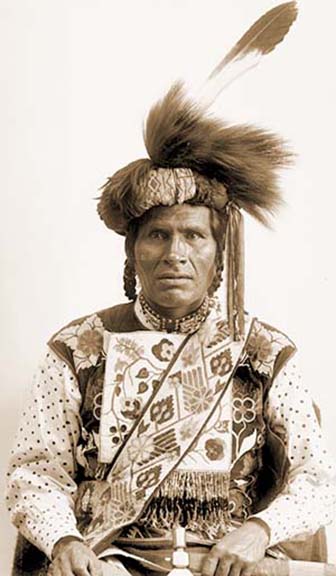
The Chippewa Indians are one of the largest Native American groups in North America. Over the years, the first nation of America has seen a rapid decrease in the number of pure breed Indians. Assimilation into American life and culture contributes to the reduction of Indians.
The Chippewa Indians primarily inhabited the Northern regions of the United States. They could be found in states such as Minnesota, Wisconsin, and Michigan. Additionally, a few bands of the Chippewa tribe inhabit parts of southern Canada. Together, there are approximately 150 different bands or groups of Chippewa Native Americans.
Today, Chippewas Indians are organized into communities, and each individual community resides on their own reservation in the United States or Canada. Because each tribe is individually governed by its own government, these communities have their own school systems, law enforcement officers, etc. In essence, the reservation is like a small, independent country.
To ensure that Indians receive equal treatment, several communities have established coalitions. For example, the American Indian Movement founded in Minneapolis, MN in 1968 fought for better rights for Native Americans.
Since then, several smaller organizations have materialized. These brought about improved living conditions, better schools, and protection against abuse.
The majority of Chippewa Indians speak the English language. Nonetheless, a large number of Chippewa also speak their native tongue – the Ojibway language. Modern day Chippewa Indians live like other people. For example, young children attend school and are required to complete chores around the home. It is the responsibility of the father to train their children in how to hunt and fish. Husbands and fathers are the hunters, and their primary responsibility involves protecting the family. Wives normally work in the fields, care for the children, cook, and take care of the home. Both men and women participate in the harvest work.
Related Stories:
Chippewa Indians Articles Home PageThe following lists catalog the specific articles, stories, legends and research materials of this website.
American Indian Topics | American Indian Products | American Indian Tribes
Native American Topics | Indigenous Peoples’ Literature
