Chief Pontiac
Learn about Chief Pontiac and the legend than made him great.
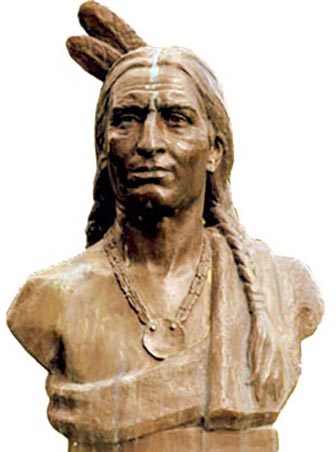
Have you ever heard of Chief Pontiac? He was a famous Indian chief of the Ottawa tribe. His homeland was in the Great Lakes region and he led a great rebellion against the British troops. He is also well remembered for participating in what was called Pontiac’s Rebellion.
Historians believe the Chief Pontiac was called chief only the white man. They have come to believe that the Ottawas themselves did not have a chief at the time when Pontiac became famous. But, because of his influence and leadership, the British came to think of him as an Indian chief. Chief Pontiac liked being known as a chief, however, this cause animosity among other Indian leaders. Much that is written about Chief Pontiac is based on speculation and legend. The information known about him before 1763 is unreliable because the Indians were illiterate and did not keep documents that recorded events.
The first reliable source of information about Chief Pontiac was his planned resistance against the British in 1763 at Fort Detroit. Pontiac was allies with the French and in April of that year, he got together with other Indian leaders to call for attacks on British forts. These attacks would later be known as Pontiac’s Rebellion.
While Pontiac and the Ottawas did win a battle against the British, they were never able take Fort Detroit. The British, eager to put an end to the rebellion, negotiated with Chief Pontiac for peace. In 1766, Chief Pontiac and Sir William Johnson, the British Superintendent of Indian Affairs, agreed to end the fighting.
All the respect and attention of the British made Chief Pontiac feel like a true leader, but other Indian leaders were angered. He was forced to leave his village in 1768. On April 20, 1769, he was murdered in the Cahokia village by another Indian perhaps due to his earlier squirmishes with local rivals. The city of Pontiac, Michigan was named after Chief Pontiac.
Related Stories:
Chief Pontiac Articles Home PageThe following lists catalog the specific articles, stories, legends and research materials of this website.
American Indian Topics | American Indian Products | American Indian Tribes
Native American Topics | Indigenous Peoples’ Literature
