Chief Crazy Horse
Chief Crazy Horse was a strong leader of the Lakota-Sioux Indian tribes.
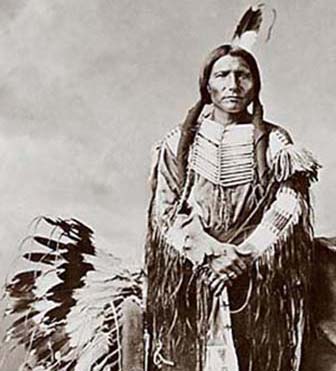
Chief Crazy Horse was a proud leader of his people in the Lakota-Sioux Indian tribes. A courageous warrior dedicated to preserving and protecting the Native American’s way of life against the white man, he died at the hands of an American soldier. He was stabbed in the back.
At an early age, Chief Crazy Horse earned a reputation of fearlessness. Before he was twenty years of age, he stole horses from a feuding tribe and led warriors into battle. In the late 1870’s, he was one of the leaders of the resistance against the white man at Black Hills in what is now South Dakota. The Sioux refused to relocate to an Indian reservation, so Chief Crazy Horse and his followers fought off the white men successfully.
In the famous battle of Little Bighorn, Chief Crazy Horse along with Sitting Bull and other Indian tribes defeated General George Armstrong Custer. It was an embarrassing defeat for the white soldiers. Early the following year after Little Bighorn, another white general attacked his people. An ongoing battle ensued with many Lakota Sioux Indians starving to death. Eventually, Chief Crazy Horse and the Indians surrendered.
Even on the reservation, Chief Crazy Horse was a dignified leader, always involved and caring of his people. It was in this particular reservation that he was killed by the American soldier. He was captured by another general of the army because he was allegedly plotting another revolt. Thought to be resisting arrest, a soldier used his bayonet and stabbed Chief Crazy Horse.
Today, the actions of the chief seem heroic and his people still revere his memory of leadership and love of his people. In fact, the Crazy Horse Memorial, not far from Mount Rushmore is being built in his honor. The likeness of Chief Crazy Horse has been sculpted from rock and has been an ongoing project since 1948.
Related Stories:
Chief Crazy Horse Articles Home PageThe following lists catalog the specific articles, stories, legends and research materials of this website.
American Indian Topics | American Indian Products | American Indian Tribes
Native American Topics | Indigenous Peoples’ Literature
