Anasazi Indians
The Anasazi Indians are well known for their cliff pueblos.
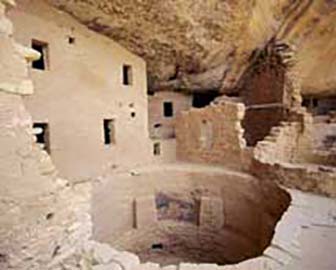
The Anasazi Indians, also known as the ancient people are the ones that historians and researchers give credit to for the fascinating cliff pueblos found throughout the Four Corners area of what is now Arizona, New Mexico, Colorado and Utah. The name Anasazi comes from the Navajo Indians and loosely translates to mean enemy ancestors. The Hopi Indians of today lay claim that the Ansazi Indians were their ancestors.
It was during the time period that Christ was born that the Anasazi Indians appeared in the Four Corners area. For the over a thousand years afterwards, the Anasazi thrived and built their homes into the side of cliffs, hence the famous cliff dwellings you might think of today. These cliff dwellings could only be reached by climbing and made for a great defense system against traveling Indian tribes.
The Anasazi Indians were real pioneers and created roads and irrigation systems for watering their crops. They were also great architects and the cliff dwellings are one of their biggest achievements.
Not only that but they were diligent and persevering. The reason why? The wood used in many of the cliff dwellings did not come from the immediate area. Rather, the wood came from the forests over fifty miles away. How did the Anasazi Indians travel that far with large tree logs?
How the Anasazi Indians lived and what they left behind has really defined the American Southwest today. For instance, when someone says that they are going to decorate in a southwestern theme, many elements like sandstone, colorful pottery and woven baskets are incorporated. Some of the pottery designs that the Anasazi Indians created are being duplicated and displayed today.
Eventually, the Anasazi Indians left the cliff dwellings. No one truly knows why, but there is much speculation that the Anasazi left due to changing climates that shortened the crop growing season. There are also educated guesses about nomadic tribes increased presence in the area prompted them to move. No matter what the reason is, the Anasazi Indians have piqued the curiosity of countless researchers. A lot has been learned about this tribe, but there are many mysteries remaining.
Related Stories:
Anasazi Indians Anasazi Pottery Aztec Indians Maya Indians Mayan Indians Southwest IndiansArticles Home Page
The following lists catalog the specific articles, stories, legends and research materials of this website.
American Indian Topics | American Indian Products | American Indian Tribes
Native American Topics | Indigenous Peoples’ Literature
